
How homeowners and designers can make solar energy work harder in the home
With more New Zealand homes embracing solar power, there's an opportunity to get even more value from the energy generated on your roof. And one of the best places to start is with your hot water.
Hot water can account for around 25–30% of household electricity use, making it a significant part of your home's overall energy consumption. By using solar electricity to heat water, you can make better use of your solar investment, reduce reliance on grid electricity and create a more energy-efficient home.
So, how does it work, and what should you consider when designing or upgrading your home?

Rinnai
Turning Sunshine into Hot Water
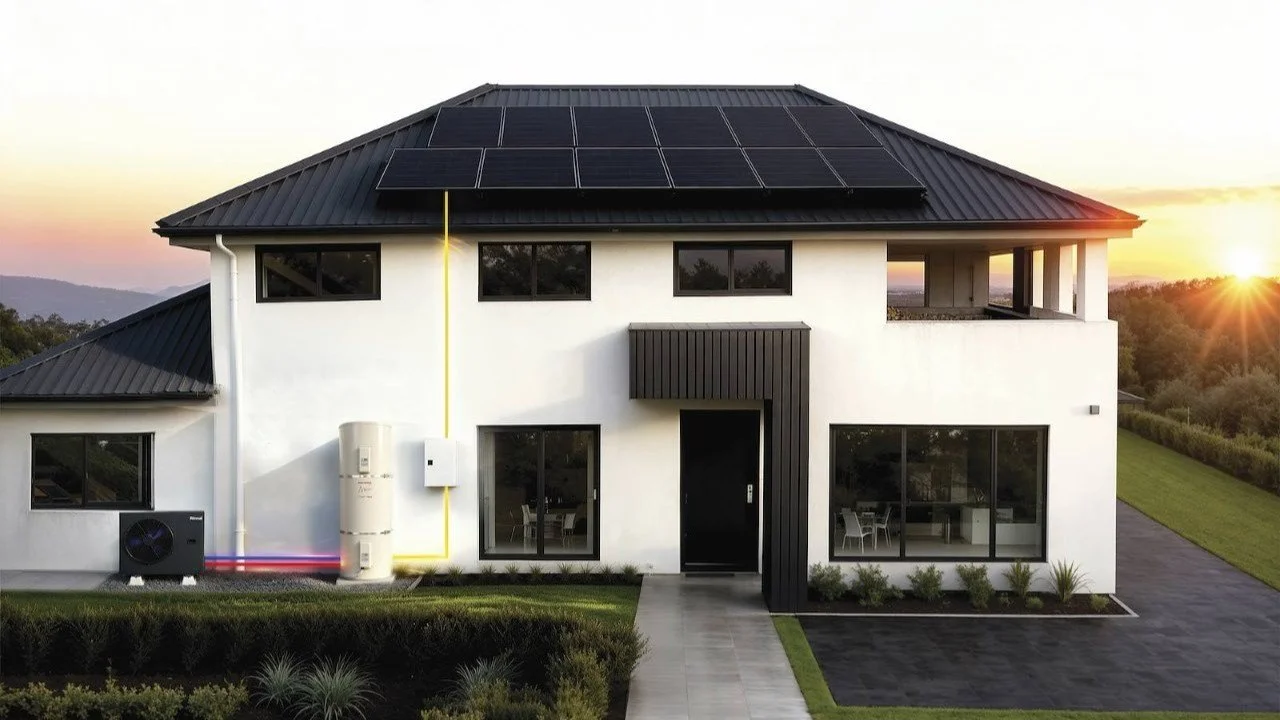
Solar photovoltaic (PV) panels convert sunlight into electricity that can power your home. When your panels generate more electricity than you're currently using, that excess energy can be redirected to heat your hot water cylinder rather than being sent back to the grid.
A solar diverter or smart control system can automatically manage this process, using available solar energy to heat water throughout the day.
Essentially, your hot water cylinder becomes a way of storing solar energy for later use – ready for showers, baths and everyday household needs.
Three Ways to Make Solar Work for Your Hot Water
There are several ways to integrate solar PV with your hot water system, depending on your existing setup, budget and energy goals.
1. Electric cylinder with a solar diverter
If your home already has an electric hot water cylinder, adding a solar diverter can be a straightforward way to make better use of your solar generation. The system automatically redirects excess solar electricity to heat your water, helping reduce the amount of electricity you need to purchase from the grid.
2. A hot water heat pump
For homeowners building new or replacing an older hot water system, a heat pump is worth considering. Rather than generating heat directly, it draws warmth from the surrounding air to heat water, using significantly less electricity than a conventional electric cylinder.
When paired with solar PV, it offers another opportunity to reduce household energy consumption. Rinnai's HydraHeat® and Enviroflo™ hot water heat pump ranges are designed for New Zealand homes and can integrate with solar PV systems.
3. Smart timers and controls
Sometimes a simple change can make a difference. Programmable timers can schedule your electric cylinder to heat water during the middle of the day, when solar panels are typically generating the most electricity.
Smart controls can take this a step further by adjusting heating to make better use of available solar energy
Getting the Design Right from the Start
For homeowners and designers, hot water is an important consideration when planning an energy-efficient home.
Thinking about the hot water system early in the design process can help ensure the cylinder, solar PV system and associated controls work together effectively.
A few things worth considering include:
Household size: Choose a cylinder capacity that reflects the number of people living in the home and their hot water requirements.
Space and placement: Consider where the cylinder or heat pump will be located, allowing for practical installation, access and servicing.
Solar compatibility: Check that the cylinder, heating elements and control systems are compatible with the proposed solar setup
Future energy needs: Consider how the home's energy requirements might change over time, including increased household demand or electric vehicle charging.
Getting these details right from the beginning can help create a more integrated and efficient home.
What About Cloudy Days?
New Zealand weather isn't always predictable, so a solar-powered hot water system needs to offer reliability throughout the year.
The good news is that solar PV-compatible hot water systems don't rely solely on sunshine. If there's insufficient solar generation, an electric cylinder can draw additional power from the grid to maintain hot water supply.
Heat pump systems also continue to operate in cloudy or rainy conditions, as they extract heat from the surrounding air.
The aim is to make the most of solar energy whenever it's available, without compromising everyday comfort.
A Smarter Way to Use Energy at Home
As energy efficiency becomes an increasingly important part of residential design, hot water deserves just as much consideration as heating, lighting and appliances.
Whether you're planning a new build, renovating an existing home or looking to get more from an existing solar PV installation, there are several ways to make your hot water system work smarter.
By combining solar generation with the right hot water technology and controls, you can make better use of renewable energy, reduce reliance on grid electricity and create a more efficient home for the future.
Visit the Rinnai Showroom at Residium
Explore Rinnai's range at Residium.
No appointment necessary, simply drop in at your convenience.
Showroom 217 | Section C
Residium Design + Building Centre | Open 7 days
